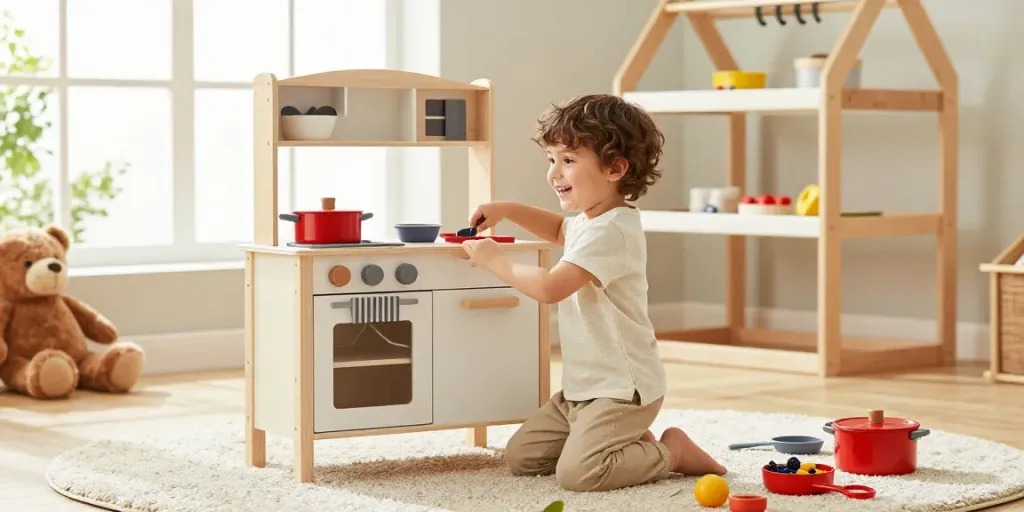
Understanding the Appeal of Wooden Kitchens
In today's world of children's toys, finding a balance between engagement, education, and sustainability can be challenging for parents. One standout option is the wooden kitchen set, which offers an array of benefits that capture the hearts of both children and parents alike. It represents not just a toy, but a gateway to creativity, imaginative play, and learning. As these kitchens gain popularity, understanding their appeal becomes essential for any parent looking to enrich their child's playtime.
Why Choose Wooden Kitchen Sets?
Wooden kitchen sets provide a timeless appeal compared to plastic alternatives. They are sturdy, often handcrafted, and feature aesthetics that seamlessly blend into home decor, appealing to parents' sensibilities. Children are drawn to the tactile experience of natural materials, providing sensory feedback that can enhance their play experiences. Moreover, wooden kitchens often have a more visually pleasing and sophisticated look, allowing them to fit perfectly in both a child's playroom and a living space.
Furthermore, wooden kitchens are typically eco-friendly, using sustainable materials and non-toxic finishes, making them a safe choice for little ones. Opting for a wooden kitchen set can significantly reduce a family's carbon footprint compared to plastic toys, which can contribute to landfill waste.
The Benefits of Pretend Play in Child Development
Pretend play is crucial for child development, allowing children to express themselves, experiment with language, and develop social skills. A wooden kitchen set encourages this kind of imaginative role-play, as it provides children with a functional space to mimic real-life scenarios. Engaging in cooking and serving food can help develop fine motor skills and hand-eye coordination as children manipulate various utensils and ingredients.
Moreover, as they play, children can explore different social roles, facilitating discussions about sharing, cooperation, and empathy among peers. This form of unstructured play is not only enjoyable but foundational in early childhood development.
Eco-Friendly Choices: Sustainability in Wooden Toys
The rise of eco-conscious parenting has led to a greater demand for sustainable toys. Wooden kitchen sets are often manufactured using materials such as bamboo or reclaimed wood, both of which are renewable resources. This sustainability aspect appeals to many families who are concerned about the environment.
In addition, the longevity of wooden toys means they can be passed down through generations. Unlike plastic toys that can easily break and contribute to landfill, a well-crafted wooden kitchen can be a cherished item in a family for years to come.
Features That Make a Wooden Kitchen Stand Out
Design Elements: Aesthetics and Functionality
A well-designed wooden kitchen set will not only be visually appealing but also functional. Many models feature realistic elements such as ovens with knobs that turn, sinks, and even storage areas, encouraging children to engage in realistic play. Some designs even mimic contemporary kitchen aesthetics, integrating modern colours and styles, which can enhance the overall look of a child’s playroom.
Parents should look for sets that have ample play accessories, such as pots, pans, and play food, which can enrich the play experience. Additionally, modular designs that allow for rearrangement or expansion can increase the lifespan and adaptability of the kitchen set.
Safety Considerations for Children’s Kitchens
When choosing a wooden kitchen set, safety should be a priority. Look for products that are free from sharp edges, splinters, and toxic paints or finishes. Reputable brands typically adhere to safety standards, ensuring that their toys are tested for child safety.
Moreover, it's wise for parents to supervise playtime, especially with younger children, to prevent accidental injuries. Teaching kids about the importance of careful play can also instil a sense of responsibility from an early age.
Age Appropriateness: Finding the Right Set for Your Child
Wooden kitchens are suitable for a wide range of ages, but it is essential to choose the right set for your child's development stage. For toddlers, simpler designs with fewer components are ideal, while older children may benefit from more complex sets featuring varied accessories. Typically, wooden kitchen sets are suitable for children aged three and above, as they tend to have the motor skills necessary for safe play.
It’s also important to consider the height and size of the kitchen set to ensure it is appropriate for your child’s height, ensuring they can use it comfortably and safely.
The Role of Imagination in Play Kitchens
Encouraging Creative Play through Role-Playing
Role-playing is vital for developing a child's creativity and problem-solving skills. With a wooden kitchen, children can invent stories, create meals, and enact scenarios that reflect their understanding of the world. This freedom to create and explore promotes cognitive development and boosts self-esteem as they express their individuality through play.
Parents can also participate in this role-playing by introducing new themes to their playtime, such as pretending to run a restaurant or hosting a dinner party, enhancing the experience and making it more memorable.
How a Wooden Kitchen Encourages Social Interaction
When children play with a wooden kitchen set together, they naturally engage in social interaction. They negotiate roles, discuss meal preparation, and collaborate on play scenarios, all of which enhance their communication skills. This collaborative play is essential for developing social norms and understanding group dynamics.
Additionally, inviting friends or siblings to join encourages sharing and teamwork, reinforcing essential life skills that will benefit them as they grow older.
Incorporating Real-Life Skills through Pretend Cooking
While playing with a wooden kitchen, children inadvertently learn valuable life skills. They can practice measuring, counting, and understanding basic concepts of food safety and nutrition during their play. Furthermore, by mimicking adult behaviours in a playful context, they gain confidence in their abilities and a basic understanding of domestic responsibilities.
This learning extends beyond the kitchen. Children may develop interests in cooking, baking, and even nutrition as they grow, potentially influencing their lifelong habits and preferences.
Choosing the Right Wooden Kitchen Set
Top Brands for Quality Wooden Play Kitchens
When considering a wooden kitchen set, it's essential to look for reputable brands known for their quality and safety standards. Brands like Le Toy Van, KidKraft, and Melissa & Doug have established themselves as leaders in the market, offering a variety of designs to fit different budgets and tastes. Customer reviews can be a helpful resource in determining the quality and durability of a particular set.
Additionally, checking for age recommendations, materials used, and warranty information can provide further assurance of the quality of the product.
Price Ranges and What to Expect
The price of wooden kitchen sets can vary significantly based on factors like size, brand, and features. Basic sets may start around £50, while more elaborate models can range from £150 to over £500. It’s essential to consider your budget but also the longevity and educational value of the kitchen set. Investing in a high-quality wooden kitchen often pays off in durability and extended play value.
Customer Reviews: What Parents Say about Their Purchases
Customer reviews can provide invaluable insights when purchasing a wooden kitchen set. Parents often share their experiences regarding the assembly process, durability, and the educational value observed in their children. Look for reviews that highlight specific features, such as ease of cleaning, storage options, and whether children continue to play with the set over time.
The best reviews often include photos or videos of children enjoying their kitchen, offering potential buyers a realistic view of what they might expect.
Future Trends in Wooden Kitchen Sets
Innovations in Toy Design: What’s Coming in 2026?
As we look forward to 2026, innovations in wooden kitchen design are expected to continue. Manufacturers are likely to incorporate technology such as interactive elements, where children can engage with the kitchen through smart devices, enhancing the realism of play. This could include light and sound features, providing additional sensory feedback during play.
Moreover, designs may focus on modularity, allowing families to adapt kitchens as children grow or preferences change, increasing the product's lifespan and relevance.
Environmental Impact and Trends in Eco-Friendly Toys
As awareness of environmental issues grows, the demand for eco-friendly toys will drive trends towards sustainable materials and production methods. Future wooden kitchens are expected to use not only sustainably sourced wood but may also incorporate recycled materials in their construction. This eco-conscious approach will resonate with more parents looking for responsible choices for their children.
Embracing Diversity: Inclusive Play Kitchen Designs
As the importance of inclusivity in play becomes more prominent, the wooden kitchen sets of the future may reflect a broader array of cultural cooking styles and themes. Designing kitchens that represent diverse culinary traditions can provide valuable educational opportunities for children, fostering a sense of global awareness and appreciation from a young age.
Such inclusivity can also extend to the representation of different family structures and everyday scenarios, ensuring that every child can see themselves reflected in their play.
What age is a wooden kitchen good for?
Wooden kitchen sets are generally recommended for children aged three and older. At this age, children typically possess the motor skills required for safe play and can understand basic role-play concepts. However, it's essential to consider individual readiness and maturity levels, as children develop at varying rates.
Are wooden kitchens on trend?
Yes, wooden kitchens have become increasingly popular in recent years as parents seek sustainable, quality toys that encourage imaginative play. This trend is expected to continue growing, particularly as eco-consciousness rises among consumers.
How much is a wooden kitchen?
The price of wooden kitchens can range significantly based on size, brand, and features. Budget-conscious options may start around £50, while more elaborate sets can cost upwards of £500. When budgeting, consider the potential longevity and educational benefits of these toys.
What are the benefits of wooden toys?
Wooden toys, such as kitchen sets, offer various benefits, including durability, safety, and their ability to inspire imaginative play. They also tend to be more environmentally friendly than plastic alternatives, making them a wise choice for eco-conscious families. Moreover, wooden toys often have a timeless appeal that encourages children to engage creatively.
How to maintain a wooden kitchen set?
Maintaining a wooden kitchen set involves regular cleaning to avoid dirt buildup. Use a damp cloth and mild soap to wipe surfaces, and ensure that the set is thoroughly dried afterward to prevent moisture damage. Occasionally inspecting for loose parts or splinters is also advisable, ensuring the set remains safe for continued play. Proper maintenance can extend the life of a wooden kitchen and keep it looking new for years.